
 By admin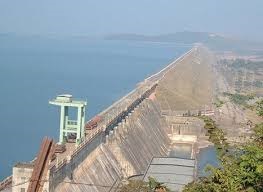
Sambalpur, 18/12 (Ama Aitiha): While the government is giving a boost to the tourism industry under the Hirakud Master Plan, some concerned sections have expressed their concerns. They are especially concerned about the Odisha Tourism Department inviting star hotels for business in Hirakud and its adjoining areas. They allege that this will destroy the natural environment around Hirakud and pose a threat to the water bodies, cause environmental destruction and pave the way for destruction in the name of development. After Dhakhol MLA and Deputy Leader of the Opposition in the Assembly Prasanna Acharya raised this issue, the discussion has been increasing. If star hotels and floating hotels are established in Hirakud, there will be water and noise pollution. It has been suggested that the huge amount of waste will damage the reservoir and affect the biodiversity that attracts exotic birds. The stability of the Hirakud reservoir is being discussed at various times. The so-called cracks in the reservoir are always in the discussion. More than 27 percent of it has already been covered in soil and other waste. Fish farming in Hirakud is also helping in this. The waste of the hotel industry and tourists is helping in its burial more and faster. The condition of the reservoir and the riverbank will become more complicated in the coming days. Tourists will spend a lot of money for entertainment; but environmentalists are expressing fears that it will be the death knell for Hirakud. The government has implemented an independent scheme – SACACI to make the tourism sector of the state a world-class one. Under this, an expenditure of Rs 7,000 crore has been made for the development of tourism in the Hirakud river basin. The tourism project is welcomed by various quarters. But the hotel establishment is opposing the plan. The waste generated in this will bury the bottom of the reservoir and the noise and colorful lights of the star hotels will disturb the aquatic life. It will pave the way for the destruction of the fish and various aquatic life in the reservoir. If the hotel is established, the arrival of foreign birds will be reduced. Water pollution, air pollution and noise pollution will affect the aquatic life and aquatic biodiversity. Above all, it will cause the destruction of biodiversity. It is feared that the fauna of the Debrigad sanctuary adjacent to the river embankment will also not be spared. For all these reasons, there is a demand that the hotel industry be stopped in the name of tourism development. Odisha Jal Jeevan Abhiyan coordinator Ranjan Panda said that the impact of the hotel industry like mining and factories will definitely have an impact on the environment. If an environmental assessment is done by the government, then the impact may be less; but a specific policy should be made for this. Since the proposed hotel project is planned to be located on the Hirakud, if it is not properly monitored, it is sure to have a negative impact on the water body. Retired professor Sudhir Mishra said that building a big hotel on the banks of the reservoir in the name of tourism development is very dangerous for the environment. It will create a threat to water quality, aquatic life, wildlife, the environment along the reservoir and the safety of the riverbank. In response, Satmalpur Tourism Department and Director Ravindra Dalai said that the risk of loss of biodiversity is negligible. The maximum water level of the embankment is 630 feet, while all construction work will be above 632 feet. The land acquired by IDCO in Kilasma will be allotted to the hotels. For this, about 1690 trees will be cut from the identified land. Out of these, there are no big or important trees. Four trees will be planted for each tree as compensation. Since Kilasma is far from the Drebigad Sanctuary, there is no risk of impact. The proposed hotels will discharge their wastewater after processing. Instructions will be given for processing the garbage. Even so, there is no risk of the hotel’s garbage going to Hirakud or being buried, said Mr. Dalai. Hirakud DFO Aasupragya Das has refused to comment on the impact on biodiversity. Similarly, the Water Resources Department is also not giving any comment in this regard.